Forum Discussion


myredracer
Dec 17, 2018Explorer II
If a GFCI trips, the first suspect should always be a leakage to ground somewhere.
*If* you were to replace the breaker, all you'd need to know is that it's a Square D "QO" type. Easiest thing to do is just take them into a HD or Lowes and get them to match it up.
You don't often see a GFCI breaker in a panel. They cost quite a bit more than than a GFCI receptacle. If you were thinking of replacing the GFCI breaker, you could always install a GFCI receptacle instead, if you can determine which receptacle is first in line on a circuit (may not be easy). The old breaker could be left in place because two GFCIs in series are not a problem.
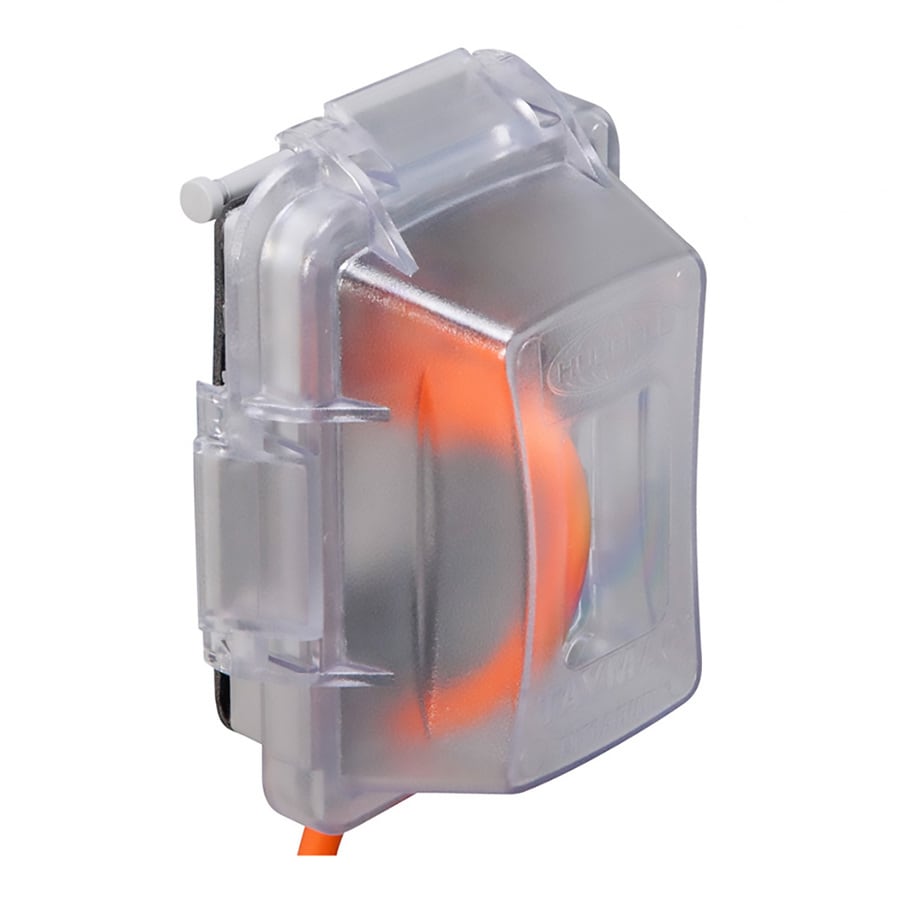
What I've always found annoying is the so-called weatherproof cover plates. Once you flip the lid open and plug something in, it's possible for water to get in. They do have cover plates now that cover the plug as well but are bulky and might look odd on the side of an RV.
*If* you were to replace the breaker, all you'd need to know is that it's a Square D "QO" type. Easiest thing to do is just take them into a HD or Lowes and get them to match it up.
You don't often see a GFCI breaker in a panel. They cost quite a bit more than than a GFCI receptacle. If you were thinking of replacing the GFCI breaker, you could always install a GFCI receptacle instead, if you can determine which receptacle is first in line on a circuit (may not be easy). The old breaker could be left in place because two GFCIs in series are not a problem.
What I've always found annoying is the so-called weatherproof cover plates. Once you flip the lid open and plug something in, it's possible for water to get in. They do have cover plates now that cover the plug as well but are bulky and might look odd on the side of an RV.
About Technical Issues
Having RV issues? Connect with others who have been in your shoes.24,370 PostsLatest Activity: Mar 16, 2026


