for a flat 12v .. yes
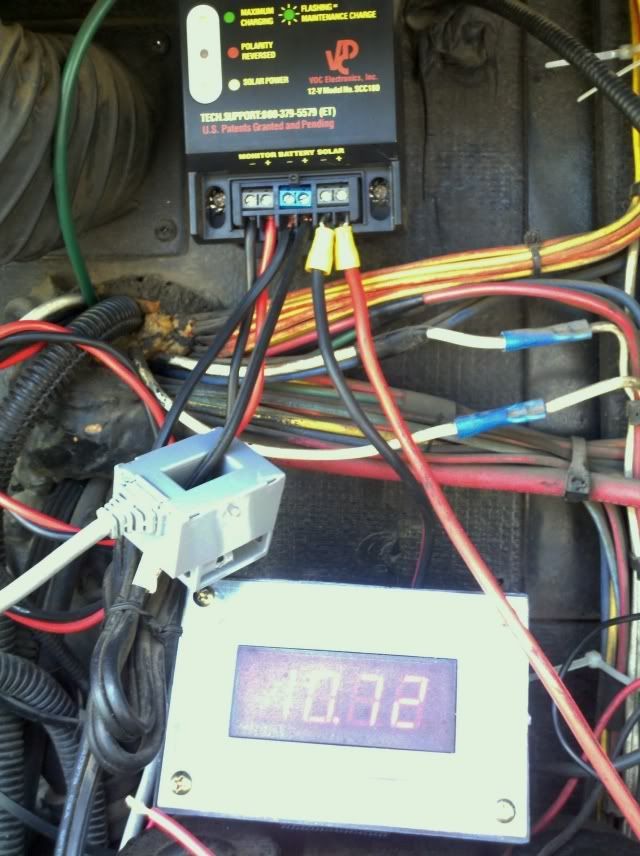
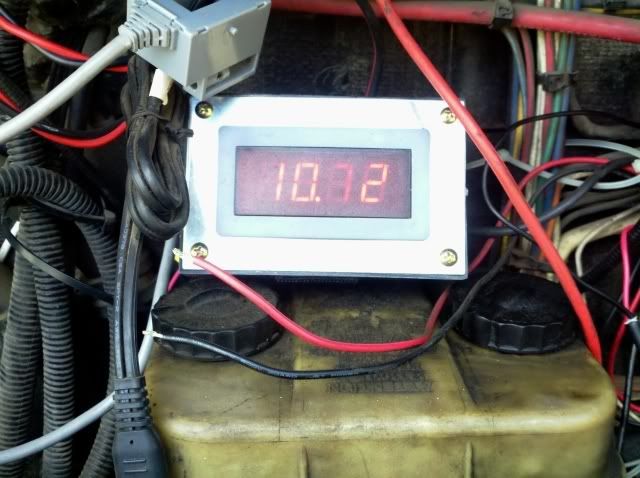
but this 10.72amps in the picture is being applied at the charge voltage of the controller
in this case the output voltage at the controller is 13.78 , voltage at the batteries is 13.48 a 0.3v drop/loss
10.72*13.78 = 147.72 watts from the controller
10.72*13.48 = 144.50 watts charge into the batteries
that 0.3v drop at 10.72 amps = 3.22 watts LOST to heat caused by the resistance of the wire
keep in mind, the new panels plus the old 90w equal 210w of theoretical capability at max output and zero loss, so at the moment I'm obtaining approx 69% , this should go up when I install the 2000e controller and new wiring
the present controller is 15a PWM and fixed charge setting of 13.8 volts
the 2000e factory set at 14.0v and adjustable up to 16v, i might change the setting to 14.4 after i have it installed check the operation of the system
right now with hot weather, I'm parking in the shade and running a generator for the A/C so the batteries are getting charged up
I'm looking forward to mild weather so i can park in the sun and save some $$ on fuel costs, i still consider the solar more of a "TOP OFF" & backup system
with generator use as the main power recharge system,
this amount of solar would have supplied more of my power needs before the NEW electric fridge install, which uses 1.08 KwHr of power per 24hrs which can be expressed as 86.4AmpHrs a 12.5v, NOT all of this is used from the battery bank, approx 72 amp hrs are pulled from the battery bank and must be returned, the other 14amphrs are pulled from the generator during the daily recharge
with more solar and good weather I could provide nearly 100% of my usage, like PianoTuna and several other members
this however is a Good start
the meter is my Shuntless amp meter that utilizes a Honeywell "hall effect" sensor
the controller is a "Battery Minder" PWM 15a, it was on the MH when i bought it from my Uncle, along with the 90w of pre-existing 90w of solar panels


