Hi Mrekim,
Sorry this took forever... work travel and "life" has been in the way however that has not stopped the "thinking" about your frame issues. Most of it was on an airplane flying to and from home with nothing to do but think... I have some time in the next few days so here is a start.
First you gave us a lot of detail to work with. :C
From the description of your journey on the day the frame bent, and the one video link, here is the location that "might" of been the blow that bent the frame. Granted this has speculation to it, so take it as a, well is "might" be rather than this is what did it. If you really want to confirm this, it can be done scientifically however the cost is not practical in your case. It is as "simple" (yeh right...) as mounting strain gages on the A frame and putting a load cell in the chain, load up the camper and go for a drive. Unless you have a buddy who does this for a living that can do it for free, trust me, you can replace the entire A frame 2 to 4 times for the cost of that work. I buy it often for work and it is the method when all the high end FEA programs cannot figure out what is going on. The failure analysis software is only as good as the force inputs and the where they are all coming from. Miss a few forces and the end result is not right.
This will take a few posts but here goes. Here is a progression of your journey from your video link. Please confrim we have this right as we need to review where the damaging blow occurred to then back into what might have caused this.
Here is the truck heading down the hill

Here is an approximation of the angle of the truck. You are heading down hill approx 4.5 to 5 degrees
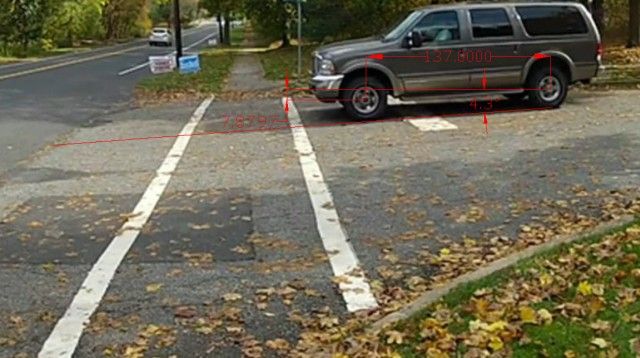
Continuing to the intersection. This turn will create what I refer to as a compound angle turn with a level of back flex in the WD hitch. A double wammy for high forces in a WD hitch and the A frame. These forces happen all the time when using a WD hitch. The question comes to, does the DC magnify it? And then can the present construction of the camper A frame, take it?

The back flex action is starting now as the camper is uphill and the EX is on the level. As the TV turn progresses that turning action starts rotating the hitch head in relation to the TT A frame.

Now to what "might" have created the combination of back flex and compound angle turn at the same time. Notice the truck rear axle drops fast into the edge of the road where the road crown drops off. And the driver side tire goes down, yet the passenger side tire is up. Now throw in, if this was a somewhat quick motion of the turn, the back of the truck would bounce creating a very high dynamic impact load down into the hitch head and raising the driver side WD bar force very high for a moment. Going real slow, the trailer will just lift from the increased WD force and find it's own natural resting spot. This impact load by the rear of the truck bouncing is a total wild card right now. When it happens real fast, the load goes up instantly and that peak load "might" have been the damaging blow that bent the snapup and collapsed the frame behind the pinch bolt. The DC arm then may have twisted along with a high break away friction load traveling up the cam arm into the first bolt of the frame bracket that you had a washer behind. That washer in this case may have aggravated a point load into the side of the A frame with the thinness of the frame.

A close up

And some lines drawn on your TV and in relation to the TT axle road plane.
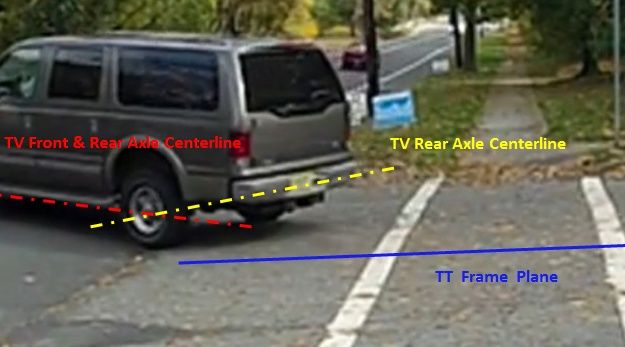
There are 3 axis's of rotation going on all at once. The TV frame (front to back across the WB), the left to right on the TV rear axle, and then the TT axles are on the road uphill to the main road the truck is on. When those 3 angles get like what you have shown us, the forces on the drivers side of the TT A frame go way up and the passenger side of the A frame go way down. The difference between having a DC or not is mixed in the middle of all this along with that dynamic bounce possibility of the back of the truck.
Now back to the 3 pics from page 10. The mock up of the back flex in the hitch. Don't have the compound angle turn in there as I did not have pics to help show this
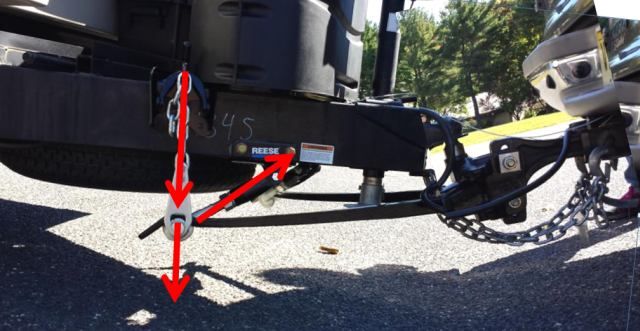
And where the forces may be acting on the A frame.

And the result of the damage along with which way it is pulled out or pushed in.
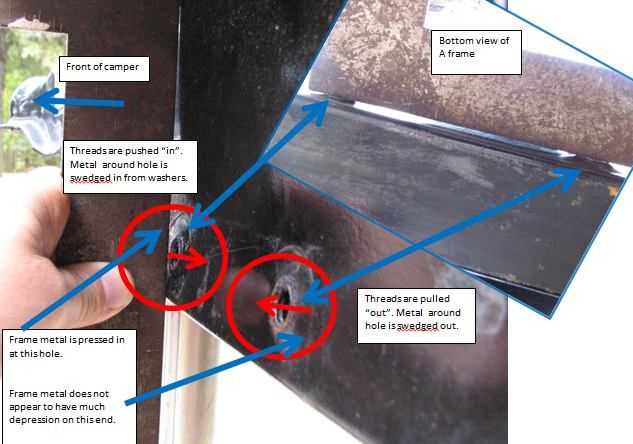
This pic of yours (just turning the wrong way) does show how the hitch head rotates on an angle in relation to the A frame which will load up one WD bar more and relive pressure on the other in a compound angle turn

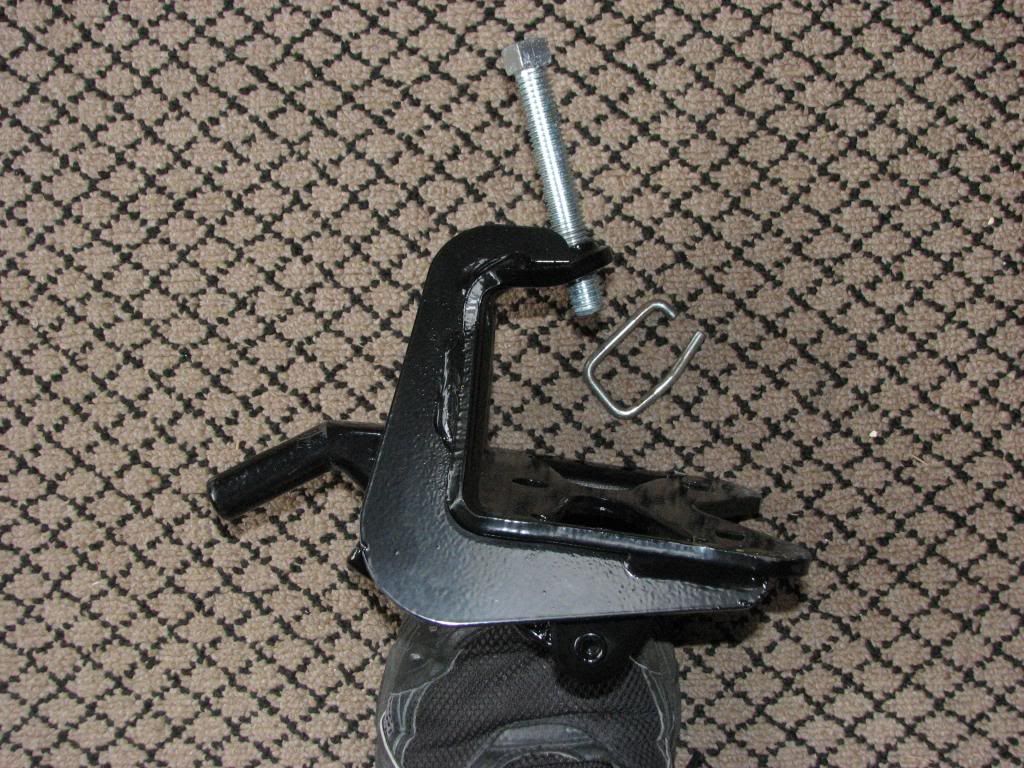
And here is the bend from the snap up

OK before I start down a tangent of how big the forces "might" be, please confirm the assumptions I presented are right to start with.
Be back later tonight. Have to go to the lumber yard and buy more "work".
John



